
The First Glimpse of Autonomous Compute for everybody

Would you like to know more?
Get in touch with Michel
Stay Connected
Curious about how branding and consumer psychology intersect? Subscribe to our newsletter for expert insights and strategies built around our core service pillars: identity, development, and 3D & Ai technology. Let’s help your brand forge deeper connections.
When Websites Are No Longer Built Just for Humans
Over the past few weeks, autonomous AI agents have suddenly moved from niche experiments into the mainstream. In late January 2026, projects like Clawdbot and Moltbook began circulating widely online, not because they talk like humans, but because they act like them. Moltbook in particular drew attention by showcasing AI agents posting and interacting on their own, triggering a broader realization: this is the first time many people are seeing autonomous compute in the wild. And it raises a much bigger question, what happens when the web stops waiting for us?
What If the Web Stops Waiting for You?
For decades, the internet has been passive. Websites waited. Users clicked. Systems responded. But a new wave of autonomous agents is quietly changing that relationship. For the first time, software doesn’t just assist humans, it acts independently. And that signals a fundamental shift in how digital systems are built, experienced, and branded.
We’re entering the first visible phase of autonomous compute for everybody. Not hidden in research labs or enterprise backends, but running on everyday machines, executing tasks, navigating systems, and making decisions without constant human input. This isn’t a future concept. It’s the beginning of a new digital layer.
From Browsing to Acting
Traditional digital experiences are designed around attention. Pages are made to look good, guide clicks, and persuade humans to act. Autonomous agents don’t care about visuals. They care about structure, logic, access, and outcome.
These systems can navigate interfaces, trigger actions, gather information, and complete workflows on behalf of people. They don’t scroll. They don’t admire layouts. They execute.
That raises a simple but radical question: what happens when the web is no longer consumed only by humans but also by machines acting for them?
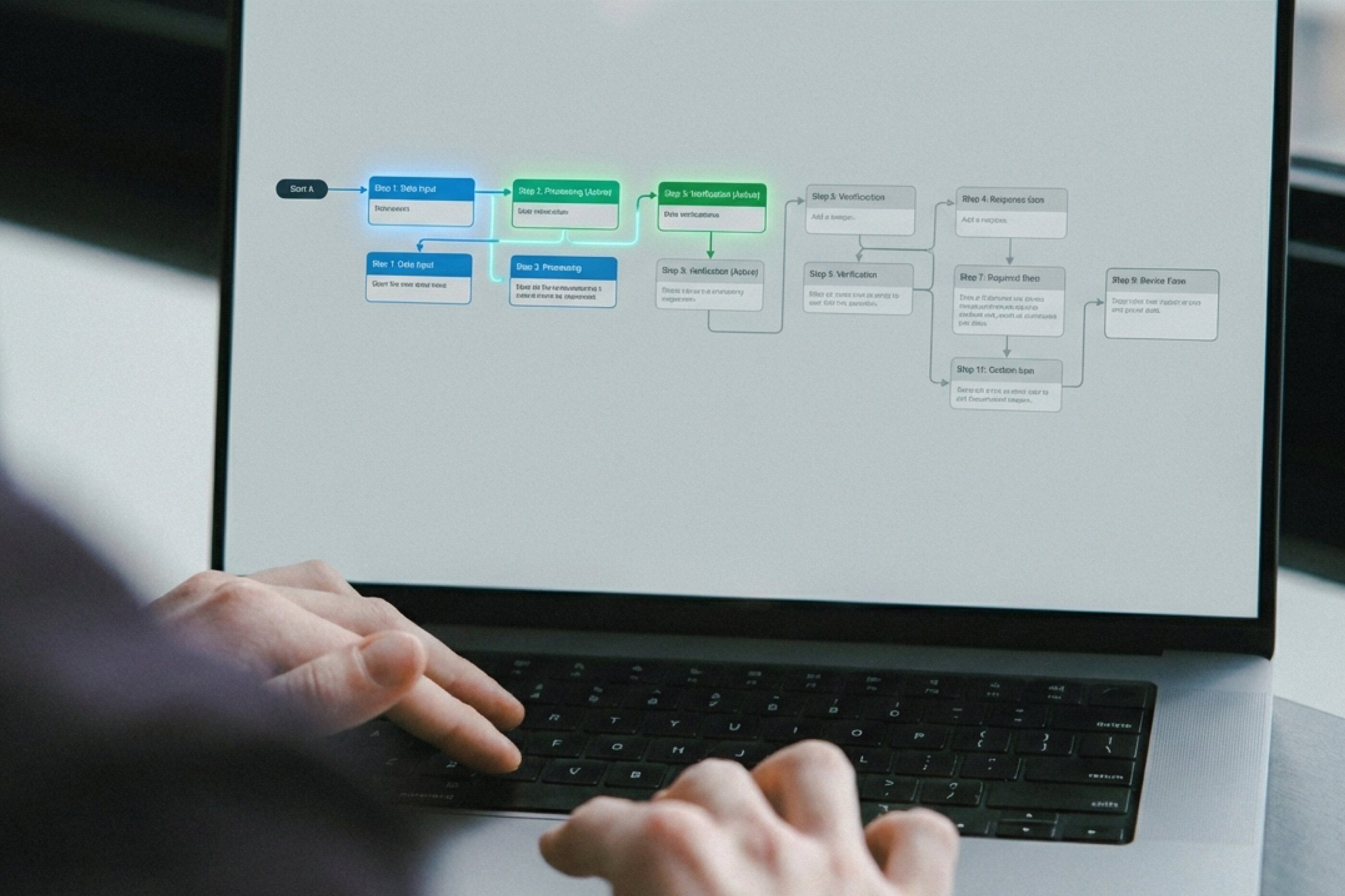
A New Layer of the Internet Emerges
We’re used to designing for screens. Now we’re starting to design for intent. Autonomous agents introduce a parallel layer of interaction where systems talk to systems, tools collaborate with tools, and humans step back into a more supervisory role.
This doesn’t replace people. It repositions them. Humans define goals, values, and direction. Agents handle execution, repetition, and scale. The result is less friction, faster systems, and entirely new forms of digital behavior.
“We’re No Longer Designing Interfaces Just to Be Used”
We’re no longer designing interfaces just to be used we’re designing systems to be understood by both humans and machines.
This moment mirrors earlier shifts in the web. Mobile-first design. Responsive layouts. API-driven platforms. Each time, the internet expanded. This time, it gains autonomy.
What This Means for Websites and Systems
If agents don’t care how a site looks, but how it works, priorities begin to shift.
Structure becomes as important as visuals.
Clarity beats decoration.
Performance, access, and logic outweigh polish.
Maybe just a page with a button and some contrast and nothing else.
Future systems will likely be built in layers: one for humans, one for machines, and often both at once. Interfaces will still matter but they won’t be the whole story anymore.

And Yes, This Will Change Branding
Branding has always been about perception. But in a world where agents interact with systems on our behalf, brands will also be judged by behavior.
How reliable is the system?
How transparent is the logic?
How easy is it to act on intent?
Brand identity will extend beyond visuals into how a system behaves when no one is watching. Trust, consistency, and clarity become machine-readable values.
Why This Moment Matters
We’re not at the end of the web. We’re at the beginning of its next form.
Autonomous compute doesn’t make design irrelevant. It makes it deeper. Systems must now work beautifully for people and efficiently for agents. The brands that understand this early won’t just adapt, they’ll define what comes next.
The Brink Perspective
At The Brink Agency, we see this as a creative opportunity. A chance to rethink how digital experiences are structured, branded, and built, so they’re ready for a future where humans and machines collaborate seamlessly.
The web is learning to act.
The question is: are our systems ready?

More Than a Car: Designing the Spyker Lifestyle Online
Read this article

Why Work Still Feels Harder Than It Should and How AI Can Help
Read this article
Seeing the World Through a Chicken's Eyes
Read this article