
Synesthetic Branding: Designing Multi-Sensory Identities That Resonate Across the Human Spectrum
From Sight to Sound — and Beyond
Branding has long lived in the visual realm—logos, color palettes, typography. But today’s audiences expect richer, layered experiences. They don’t just want to see a brand. They want to feel it, hear it, maybe even taste it. Think of synesthetic branding as the Golden Ratio for the senses—revealing hidden harmonies that connect sight, sound, scent, and touch into one unforgettable brand signature. In an age of relentless digital noise, this multi-sensory approach turns a brand from a static logo into a living, breathing presence.
A History Written in the Senses
Markets have always been sensory theaters. On the ancient spice routes, the scent of cinnamon and cardamom drifted through the air, drawing buyers before they saw the merchants. In the 20th century, automotive brands discovered the “new-car smell” as a subconscious selling point. Tech innovators gave us startup chimes so distinctive they became cultural icons. And now, luxury fashion houses are crafting immersive scent installations in boutiques from Paris to Tokyo, proving that the senses—when orchestrated with intention—can etch brands into memory for decades.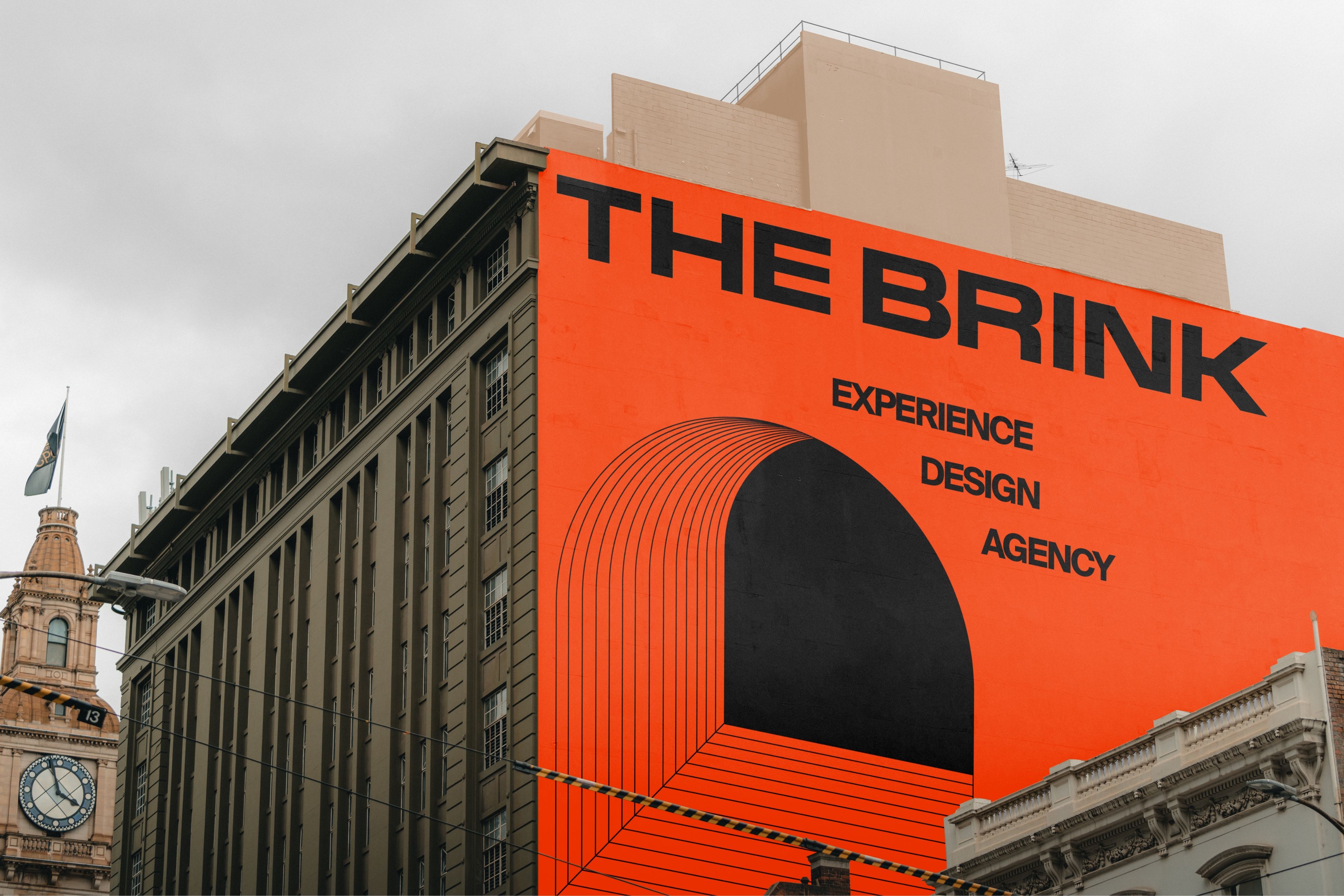
The Science of a Sensory Symphony
Neuroscience confirms what we instinctively know: engaging multiple senses at once intensifies emotional impact and boosts recall. Imagine a sustainable apparel brand that layers gentle acoustic music with the feel of organic cotton and a hint of fresh botanical fragrance. Before a single word is spoken, customers sense comfort, quality, and eco-consciousness. Research shows this kind of sensory integration can increase brand recall by 30%, elevate perceived value, and lengthen dwell time—all of which fuel loyalty and repeat visits.
Culture, Context, and Care
Multi-sensory branding isn’t one-size-fits-all. A fragrance that delights shoppers in Amsterdam might overwhelm audiences in Singapore. A deep, bass-rich soundscape that soothes one generation could feel alien to another. The key is cultural fluency—understanding sensory norms across markets—and ethical responsibility, from sourcing sustainable scent materials to ensuring soundscapes are accessible to all audiences. True synesthetic branding doesn’t just aim for impact; it builds respect and relevance into every sensory cue.
Our Three-Step Framework for Designing Multi-Sensory Brands
Audit the Senses — Map your brand’s current sensory footprint: what’s visual, what’s audible, what’s tactile, and what’s missing.
Research Cultural & Audience Preferences — Identify what resonates across different markets and demographics, ensuring inclusivity and alignment with your brand’s values.
Prototype, Play, and Test — Build multi-sensory pilots: a sound identity, a tactile brand material, a scent palette. Test them. Refine them. Make them unforgettable.
How The Brink Brings It All Together
At The Brink Agency in Amsterdam, we turn brand identities into sensory experiences that feel alive and culturally connected. We blend deep research, global insights, and creative experimentation to design brand signatures you can see, hear, feel, and remember. Whether it’s a data-driven sound logo, a scent that sparks emotion, or tactile brand elements that invite touch, our goal is the same: create brands that move people—literally and emotionally.
Ready to Wake Up All Five Senses?
If your brand has been living in a purely visual world, it’s time to expand the stage. Let’s design an identity that moves beyond aesthetics and into the realm of memory-making. Your audience isn’t just watching. They’re feeling, hearing, touching, smelling—and they’re ready to connect.

Why Work Still Feels Harder Than It Should and How AI Can Help
Read this article
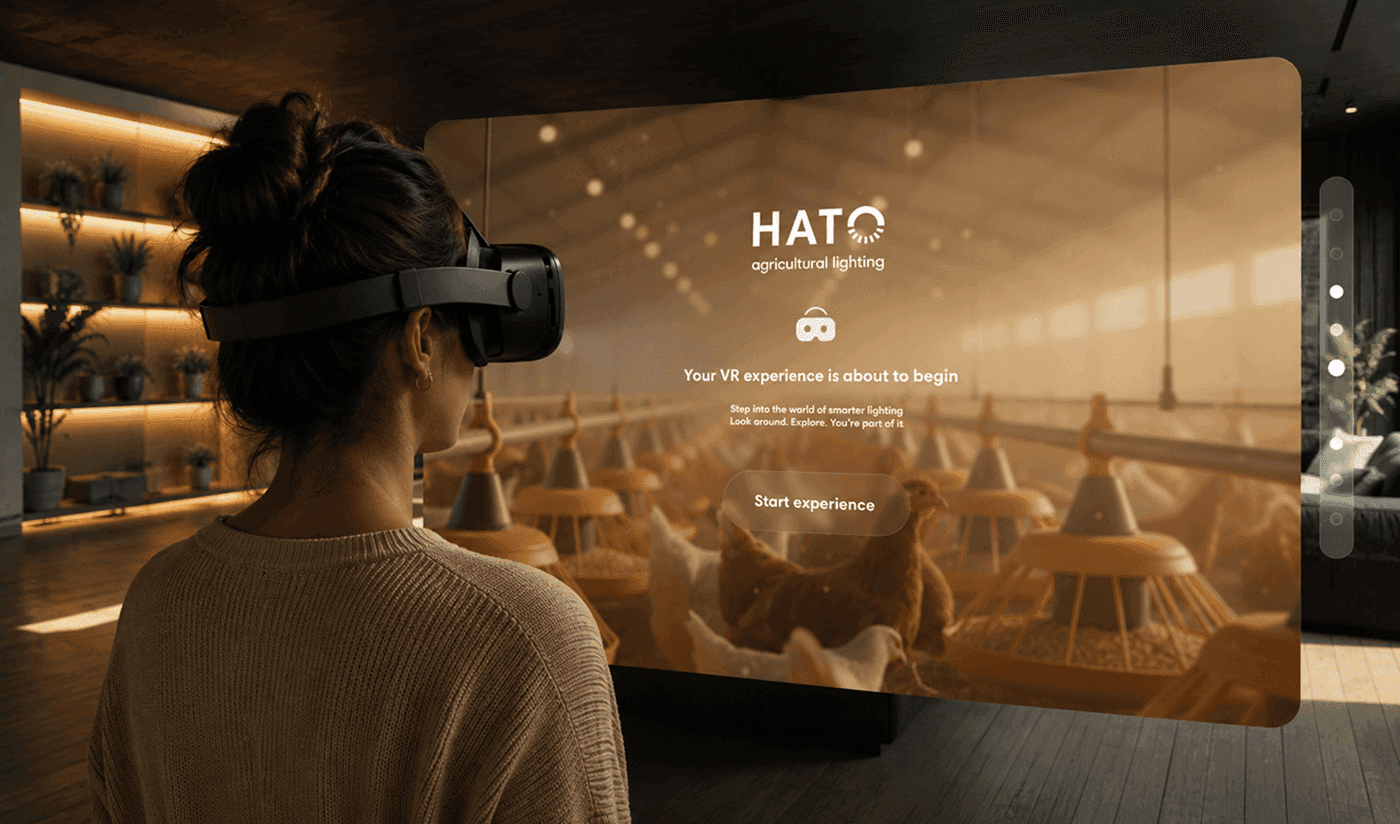
Seeing the World Through a Chicken's Eyes
Read this article
Your brand is every touchpoint, not just your logo
Read this article